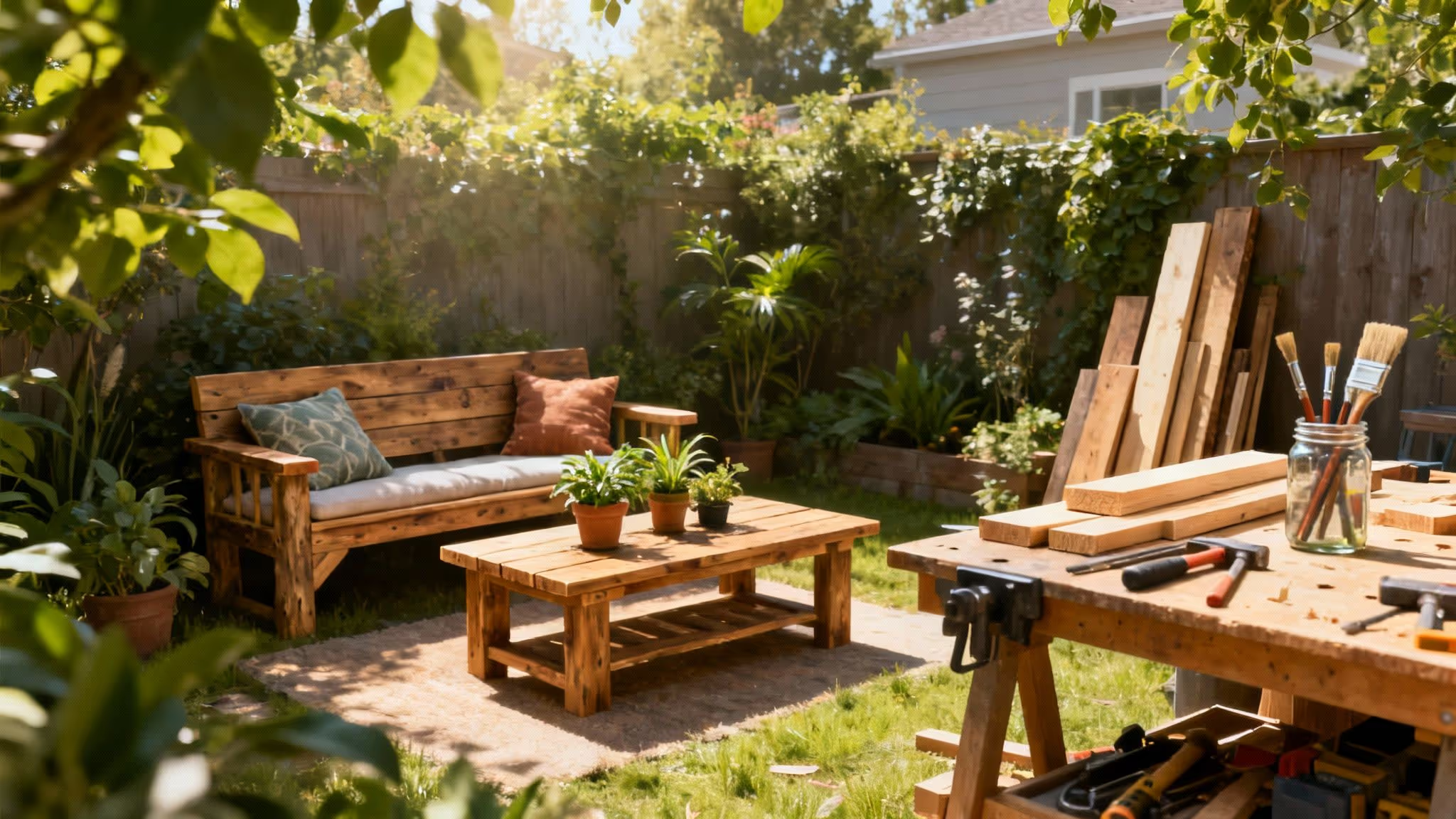
Building your own outdoor furniture is about so much more than saving a bit of cash. It’s about creating completely custom pieces that fit your space and your style perfectly. Imagine a bespoke bench that slots neatly into that awkward corner of the patio, or a dining table built just long enough for your whole family. You get to sidestep the one-size-fits-all feel of shop-bought furniture and turn your garden into a proper extension of your home.
Why Building Your Own Outdoor Furniture Is a Game Changer

There’s a unique satisfaction that comes from making something with your own two hands. Creating your own garden furniture isn't just a practical weekend project; it's an investment in your home and how you live in it. You’re not just building a bench; you’re crafting a spot that will host memories for years to come.
And it seems we’re not the only ones thinking this way. Across the UK, there's a growing desire to treat our gardens and patios like another room of the house. This trend has seen the market boom, with projections showing the UK outdoor furniture market will hit US$1.80 billion in revenue in 2025. It’s clear that homeowners are continuing to pour love (and money) into their outdoor spaces.
The True Value of DIY
Trends aside, the real win with a DIY approach is the control it gives you. You call the shots on everything – the dimensions, the design, the type of wood, and the final finish. This means the end result doesn't just look right; it works exactly how you need it to.
Think about that perfect sunny spot in your garden that’s crying out for a little reading nook. A shop-bought bench might be too wide or too short, but a piece you’ve built yourself can be made to the exact centimetre.
The real game changer? You can create high-quality, seriously durable furniture for a fraction of what you’d pay retail. By sourcing the timber yourself and putting in a bit of elbow grease, you can build pieces that are far sturdier and longer-lasting than many mass-produced alternatives.
More Than Just a Project
Taking on a diy outdoor furniture project gives you more than just a new table or chair. It’s a chance to pick up new skills, from basic joinery to weatherproofing techniques that you can use on other jobs around the house. It's creative, rewarding, and leaves you with a real sense of achievement.
There are some clear advantages:
- Proper Customisation: You decide the size, shape, colour, and style. If you can dream it up, you can probably build it.
- Better Quality Control: You choose the materials, so you can make sure you’re using durable, weather-resistant timber and decent hardware for a piece that’s truly built to last.
- It’s Cheaper: The savings can be huge. The materials for a solid wooden bench could easily cost you less than half the price of a similar pre-made one.
- Bragging Rights: There’s nothing quite like enjoying a sunny afternoon on furniture you proudly built yourself.
This guide is here to set you on the right path, helping you turn that vision of a perfect outdoor space into a reality. After all, the rise of outdoor living shows just how much we all value these spaces for relaxing and getting together.
Your Blueprint for a Successful DIY Project

A great piece of diy outdoor furniture starts long before you pick up a saw. The real secret to success is in the planning – turning that vague idea in your head into a clear, actionable roadmap. This is the stage where you build confidence and make sure the finished piece is not only achievable but a perfect fit for your garden.
Think of it as setting the scene. Before you even think about timber prices, grab a tape measure and head outside. Ask yourself how you'll really use the space. Are you dreaming of a quiet two-person bench for morning coffees, or a big dining table for summer get-togethers? Don't forget to consider things like foot traffic, where the sun hits at different times of the day, and any existing features you have to work around.
Assess Your Space and Skill Level
Getting your measurements right is non-negotiable. Measure the total footprint you have to play with, but don’t stop there. Note down the height of any nearby windowsills or how much clearance a door needs to swing open. We’ve all seen it: a beautiful bench that’s just a few inches too big, making the whole area feel cramped and awkward.
Being honest about your skill level is just as important. It’s far more rewarding to nail a simple project than to get bogged down and frustrated by something too ambitious. If you're new to this, a classic planter box or a rustic pallet coffee table are brilliant starting points. They let you master basic cuts and assembly without a huge investment. More seasoned builders might be ready to tackle a modular sofa or an intricate Adirondack chair.
Your first project should be a confidence-builder. Choosing a design that matches your current abilities ensures a positive experience and gets you excited to take on more complex builds later on.
Budgeting for Your DIY Build
Let’s talk money. A realistic budget is about more than just the cost of wood. A solid plan accounts for every little component, preventing those last-minute dashes to the hardware shop that can kill your momentum and enthusiasm.
Think through every part of the build:
- Timber or Main Materials: This is almost always your biggest expense. It’s worth getting quotes for a few different types of wood to see what works for your wallet.
- Hardware: Don’t forget about the screws, bolts, hinges, and brackets. Using exterior-grade, rust-resistant fixings is essential for anything that’s going to live outside.
- Finishing Supplies: Factor in sandpaper, wood filler, primer, and your chosen sealant, stain, or paint. If you need a bit of guidance here, our advice on how to paint wood furniture is a great place to start.
- Tools: Do you need to buy or hire anything specific for the job, like a mitre saw or an orbital sander?
Gathering Your Essential Toolkit
You don't need a professional-grade workshop to create beautiful outdoor furniture, but a few core tools will make the job safer, easier, and give you a much more professional result. For most beginner and intermediate projects, a basic setup is all you need.
Here's what we'd call a solid starter toolkit:
- A reliable tape measure and pencil for spot-on marking.
- A combination square to make sure your angles and cuts are perfectly square.
- A good quality hand saw or a circular saw for making clean, straight cuts.
- A cordless drill with a full set of drill and driver bits is your best friend for assembly.
- Clamps are like having an extra pair of hands, holding pieces securely while you work.
With your space measured, skills assessed, budget sorted, and tools at the ready, you’ve officially turned a simple idea into a solid plan. This blueprint is your key to a smooth, enjoyable, and successful build.
Choosing Materials That Last in the British Weather

The success of any DIY outdoor furniture project really comes down to one thing: choosing the right wood. In a country known for its unpredictable mix of drizzle and downpours, picking timber that can handle the elements is the difference between a build that lasts for years and one that’s past its best after a single summer.
Think of your wood as an investment. It's tempting to grab the cheapest softwood you can find, but this is almost always a false economy. Wood that isn't naturally resistant to rot will quickly warp and decay in the damp British climate, meaning you'll be repairing or rebuilding it far sooner than you’d like.
Decoding the Best Woods for Your Garden
Standing in a timber yard can feel a bit overwhelming. You’ve got hardwoods, softwoods, and treated timber all vying for your attention. The key is knowing which one suits your project, your budget, and how much upkeep you’re willing to do.
- Hardwoods like Teak and Oak are the gold standard. They’re incredibly dense and packed with natural oils that repel moisture and insects. This means less maintenance down the line, but they do come with a premium price tag.
- Softwoods like Western Red Cedar offer a brilliant middle ground. It’s lightweight, easy to work with, and contains natural preservatives that fend off rot. Left untreated, it weathers to a beautiful silvery-grey, or you can stain it to keep its warm colour.
- Pressure-treated pine is the budget-friendly workhorse of the garden. It’s been chemically treated to stand up to moisture and pests, making it a reliable choice for all sorts of builds. Just be sure to use the right screws and fixings designed for treated wood to prevent them from corroding over time.
Your choice of wood directly impacts not only how long your furniture lasts, but also how much time you'll spend looking after it each year. A little more spent upfront on durable, weather-resistant timber can save you a lot of effort in the long run.
The Rise of Smart, Sustainable Choices
These days, choosing materials isn’t just about durability; it's also about making a sustainable choice. Wood is set to dominate the UK outdoor furniture market, projected to hold a 69.9% revenue share by 2035, thanks to its timeless look and strength. Plus, with 64% of UK manufacturers now using recycled content, it’s easier than ever to find eco-friendly options.
If you’re keen to learn more, our guide on the best wood for outdoor furniture is a great place to dig deeper into the specifics.
Comparing Your Timber Options
To help you decide, it’s useful to see how the most common timbers stack up against each other. Each one has its own profile when it comes to cost, durability, and the level of care it needs.
Outdoor Furniture Wood Comparison
Here's a quick look at the main contenders for your next DIY outdoor furniture project.
Ultimately, whether you opt for the natural resilience of cedar, the toughness of treated pine, or invest in a premium hardwood, getting the material right is the first and most important step. It’s the secret to creating furniture you’ll be proud of for many seasons to come.
Three Furniture Projects You Can Build This Weekend

This is where the planning stops and the making begins. Now that your materials are sorted, it’s time to get some sawdust on your clothes and build something brilliant. We've pulled together three distinct DIY outdoor furniture projects, each designed for a different skill level, so you can jump in wherever you feel most comfortable.
From a ridiculously simple coffee table that’s perfect for beginners, to a garden bench that will quickly become the family’s favourite spot, right up to a more ambitious modular sofa – there’s a project here just waiting for you. Each one is broken down with a full tools and materials list, a clear cutting guide, and straightforward instructions to see you through to the finish line.
Project 1: Beginner Build - The Pallet Coffee Table
If you're just starting out, a pallet coffee table is the perfect first project. It’s low-cost, requires just a handful of tools, and delivers a fantastic rustic-chic look in only a few hours. This is your chance to get a feel for working with wood without the pressure of complex cuts or joins.
First things first, you need a good pallet. Look for ones stamped with "HT" – this means they've been heat-treated, not chemically treated, making them safe for home use. You can often find them for free from local businesses or garden centres, but always ask permission before taking one.
Tools and Materials You'll Need
- One sturdy, clean pallet (a standard UK size is typically 1200mm x 1000mm)
- Four castor wheels (get two with brakes) for easy moving
- Pry bar and hammer for potentially rearranging boards
- Orbital sander or a simple sanding block with coarse and medium-grit sandpaper
- Cordless drill with screwdriver bits
- Exterior-grade wood screws
- Measuring tape and pencil
- Safety gear (gloves and goggles are a must)
Putting Your Table Together
The beauty of this project is its simplicity. Start by giving the pallet a good scrub with a stiff brush and soapy water, then let it dry completely. Once it’s dry, it’s time to sand. This is the most crucial step for a good finish; sand every surface you’ll see or touch, starting with coarse-grit paper to knock off splinters and rough patches, then moving to a medium-grit for a smoother feel.
Now, decide on the tabletop. For a classic rustic look, you can leave the gaps between the top boards as they are. If you’d rather have a solid surface, use the pry bar to carefully pull some boards from the underside of the pallet. You can then use these to fill in the gaps on top, screwing them down securely.
Finally, flip the pallet over and attach a castor wheel to each corner. A good tip is to attach two locking castors diagonally opposite each other – it will stop your table rolling away on a sloped patio. And that’s it. You've just made a functional, stylish piece of outdoor furniture. For more upcycling ideas, check out these creative wood pallet projects that can transform your space.
Project 2: Intermediate Build - The Classic Garden Bench
Ready for something a little more involved? This classic two-seater garden bench is a timeless project that will teach you some fundamental woodworking skills. It’s sturdy, comfortable, and will look fantastic in any corner of the garden.
We’re designing this with comfort in mind, which means a slightly angled backrest. This requires making a few angled cuts – a great next step for developing your skills. We'll be using pressure-treated pine for its durability and affordability.
A well-built bench is more than just seating; it becomes a focal point in your garden. Taking the time to get your joints square and your finish smooth is what elevates a project from homemade to handmade.
Tools and Materials List
- Pressure-treated timber (we'll provide a full cut list below)
- Mitre saw or circular saw with a guide for accurate straight and angled cuts
- Cordless drill and a set of drill bits
- Exterior-grade wood screws in various lengths
- Wood glue (make sure it's exterior grade)
- Combination square
- Clamps to hold everything steady while you work
- Measuring tape, pencil, and safety gear
Your Cutting List
- Four legs (from 4x4 timber)
- Two front and two back apron pieces (from 2x4 timber)
- Multiple seat slats (from 2x4 or 1x6 timber, depending on your preferred look)
- Two armrests (from 2x6 timber)
- Two backrest supports (from 2x4 timber, with a 10-15 degree angle cut at the bottom)
- Multiple backrest slats (from 1x4 timber)
Assembling Your Bench
Start by building the two side frames. Each one is made of a front leg, a back leg, and an armrest. The key here is positioning the back leg correctly to accommodate the angled backrest supports later. Use wood glue and screws for strong joints, and keep checking with your square to make sure everything is at a perfect 90-degree angle. Clamps are your best friend here.
Once you have two identical side frames, connect them with the front and back apron pieces. This creates the main box structure of your bench. Now is the time to double-check that the whole frame is square before moving on. A wobbly bench is no one's friend.
Next, attach the angled backrest supports to the inside of the back legs and the back apron. With those in place, you can start fixing your seat and backrest slats, leaving a small, consistent gap between each one for drainage. A simple trick is to use a small offcut of wood as a spacer.
Finally, sand down any rough edges for a smooth finish, and your classic garden bench is ready to take pride of place.
Project 3: Advanced Build - The Modular L-Shaped Sofa
For those who want a real challenge that delivers a massive payoff, building a modular outdoor sofa is the ultimate DIY outdoor furniture project. The "modular" part is brilliant because it means you can create sections that can be rearranged to fit your space perfectly.
This project involves more precise joinery and a lot more material, but the result is a truly impressive piece that would cost a fortune to buy. We'll focus on building two separate but identical "loveseat" sections that can be pushed together to form an L-shape.
Planning and Precision Are Everything
Before you cut a single piece of wood, you need a detailed plan. Sketch out your design with the exact dimensions of each section. Pay close attention to the height and depth – you'll want it to be comfortable for sitting, so aim for a seat height of around 30-40cm before adding cushions.
Material and Tool Requirements
- A good quantity of durable timber (Cedar is a great, lightweight choice for a project this size)
- A reliable mitre saw for precise, repeatable cuts
- Pocket-hole jig for creating strong, hidden joints
- Orbital sander
- Cordless drill
- Exterior-grade pocket-hole screws and standard wood screws
- Exterior wood glue
- Plenty of clamps
Constructing the Sofa Modules
Each module is basically a sturdy box frame with a slatted base for the seat and a slatted backrest. The process is similar to the bench but on a larger scale and with a much greater need for precision.
Begin by building the side frames for your first module. These will form the armrest and main support structure. Using a pocket-hole jig to join the frame pieces will give you incredibly strong, clean-looking joints, as all the screws are hidden from view.
Once the two side frames are built, connect them with front and back stretchers to form the base. Then, install the backrest frame. Make sure every corner is perfectly square before adding the seat slats across the base. A slatted design is crucial for outdoor furniture as it lets rainwater drain away, preventing rot and giving your sofa a much longer life.
Repeat this entire process to build your second module. The magic happens when you push the two finished pieces together to create your luxurious L-shaped seating area. All that’s left is to give everything a thorough sanding before you apply a protective finish and add some comfortable, weather-resistant cushions. You've just built a centrepiece for your garden that will be the envy of your neighbours.
How to Protect and Weatherproof Your Furniture
You’ve done the hard work and built something brilliant; now it’s time to protect it. Finishing your DIY outdoor furniture isn’t just about aesthetics – it’s about giving it the armour it needs to survive the famously unpredictable UK seasons. This is the final, crucial step that guarantees your hard work lasts.
Left unprotected, even the toughest timber will eventually give in to moisture, rot, and UV damage from the sun. Think of it as sunscreen and a raincoat for your wood, shielding it from the constant cycle of rain and sun that causes timber to crack, warp, and fade.
Choosing the Right Finish for the UK Climate
The finish you choose has a huge impact on both the look and longevity of your piece. In our damp climate, you need something that actively repels water while also offering protection from the sun's rays, which can bleach the wood over time.
Your main options typically fall into two camps: products that soak into the wood, and those that form a protective film on top.
- Penetrating Oils (like Teak or Tung oil): These are fantastic for bringing out the natural beauty and grain of hardwoods. They soak deep into the wood fibres, nourishing from within and creating a water-resistant finish that won’t chip or peel. The trade-off is that they need a bit more upkeep, usually a fresh coat once a year.
- Exterior Stains: A great all-rounder, stains add colour while still letting some of the wood grain show through. They offer good UV protection and come in oil-based formulas (more durable) or water-based ones (easier to clean up).
- Outdoor Varnish or Paint: For the toughest protection possible, an exterior-grade varnish or paint creates a hard-wearing film over the wood’s surface. This offers the best defence against moisture, but it can be prone to cracking if the wood beneath expands and contracts significantly.
Flawless Application Starts with Good Prep
Honestly, the secret to a durable, professional-looking finish is all in the preparation. It’s the step everyone wants to rush, but taking your time here makes all the difference. No matter how good your chosen product is, it just won’t perform well if applied to a poorly prepped surface.
Applying sealant to unsanded, dirty wood is like trying to paint over dusty wallpaper. The new layer will never properly stick, leading to a finish that fails prematurely and just looks messy.
Start by giving your entire piece a final, thorough sanding. Use a medium-grit paper (around 120-grit) to smooth out any rough patches or sharp edges, then follow up with a fine-grit paper (around 220-grit) to get the surface silky-smooth. Once you’re happy, wipe away every last speck of dust with a tack cloth or a rag lightly dampened with white spirit.
When you’re ready to apply the finish, use a quality brush or a lint-free rag. Always apply thin, even coats, working in the direction of the wood grain. It's so much better to apply two or three thin coats than one thick, gloopy one. And always, always let each coat dry completely according to the manufacturer's instructions before lightly sanding and applying the next.
For more tips on keeping your pieces in top shape, check out our guide on how to clean wooden garden furniture.
Common DIY Furniture Questions, Answered
No matter how good your plans are, questions always seem to pop up the moment you start building. Here are some of the most common queries we see, answered to help you keep your project moving smoothly.
What Is the Best Wood for DIY Outdoor Furniture in the UK?
Let’s be honest, the UK’s damp climate is the biggest challenge. Your best bet is to choose a timber with natural staying power and rot resistance.
- The Investment Pieces: If your budget allows, hardwoods like Teak and Oak are the gold standard. Their dense grain and natural oils provide incredible protection against the elements, but they do come with a premium price tag.
- The Smart All-Rounder: Cedar is a brilliant, more affordable alternative. It’s naturally resistant to moisture and insects, which is why it’s such a popular choice for everything from benches to planters.
- The Reliable Workhorse: You can’t go wrong with pressure-treated pine. It’s chemically treated to withstand a life outdoors and is very budget-friendly. Just make sure any screws you use are graded for exterior use with treated timber.
How Can I Make My Homemade Outdoor Furniture More Comfortable?
This is what turns a project you’ve built into a spot you actually want to spend time in. The secret often lies in small ergonomic details – a slight recline of about 10-15 degrees on a backrest makes a world of difference.
But the single biggest comfort upgrade? Good quality outdoor cushions. It’s worth investing in foam that resists moisture and mildew, covered with a weather-resistant, UV-stable fabric like acrylic canvas. You can buy them pre-made or, for a perfect fit, sew your own.
Do I Need Expensive Power Tools to Build Outdoor Furniture?
Absolutely not. While power tools like a mitre saw or an orbital sander will definitely speed things up, you can get fantastic results with a solid set of hand tools.
A good quality hand saw, a combination square, a drill, a measuring tape, and a few clamps are more than enough to tackle most projects. You can always start with the basics and invest in more specialised tools as your skills grow and you get more ambitious.