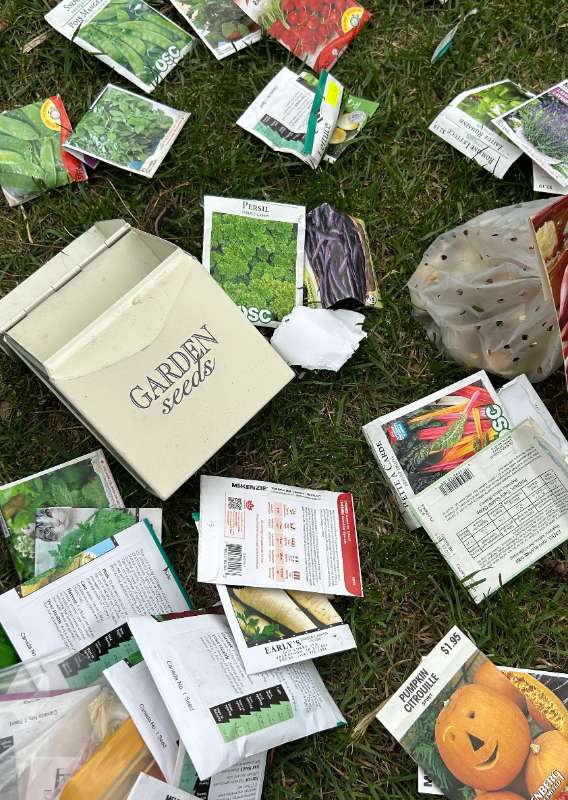
Spring always starts the same way for me. One brighter morning, a slightly warmer kitchen, and suddenly I’m standing in the garden centre holding packets of seeds I absolutely do not have space for. Tomatoes I won’t eat fast enough. Courgettes that will take over an entire bed. Flowers I’ll forget to deadhead.
Choosing Intention Over Abundance
This year, I stopped myself. One of my resolutions for this year was to be more intentional about many areas in my life, and this of course extended to my garden too.
So I sat down with a cup of tea (as most things start for me) and asked what I actually wanted from my garden this spring. The answer wasn’t abundance, it was more reliability and ease. Sometimes simplicity really is key.
So I chose a small handful of seeds I know I’ll use and enjoy. A cherry tomato variety that thrives in pots. Basil and coriander for cooking. Sweet peas because they make me happy every time I see them climbing the fence. And just two courgette plants, because anyone who’s grown them knows two is more than enough.
The Few Tools That Make a Difference
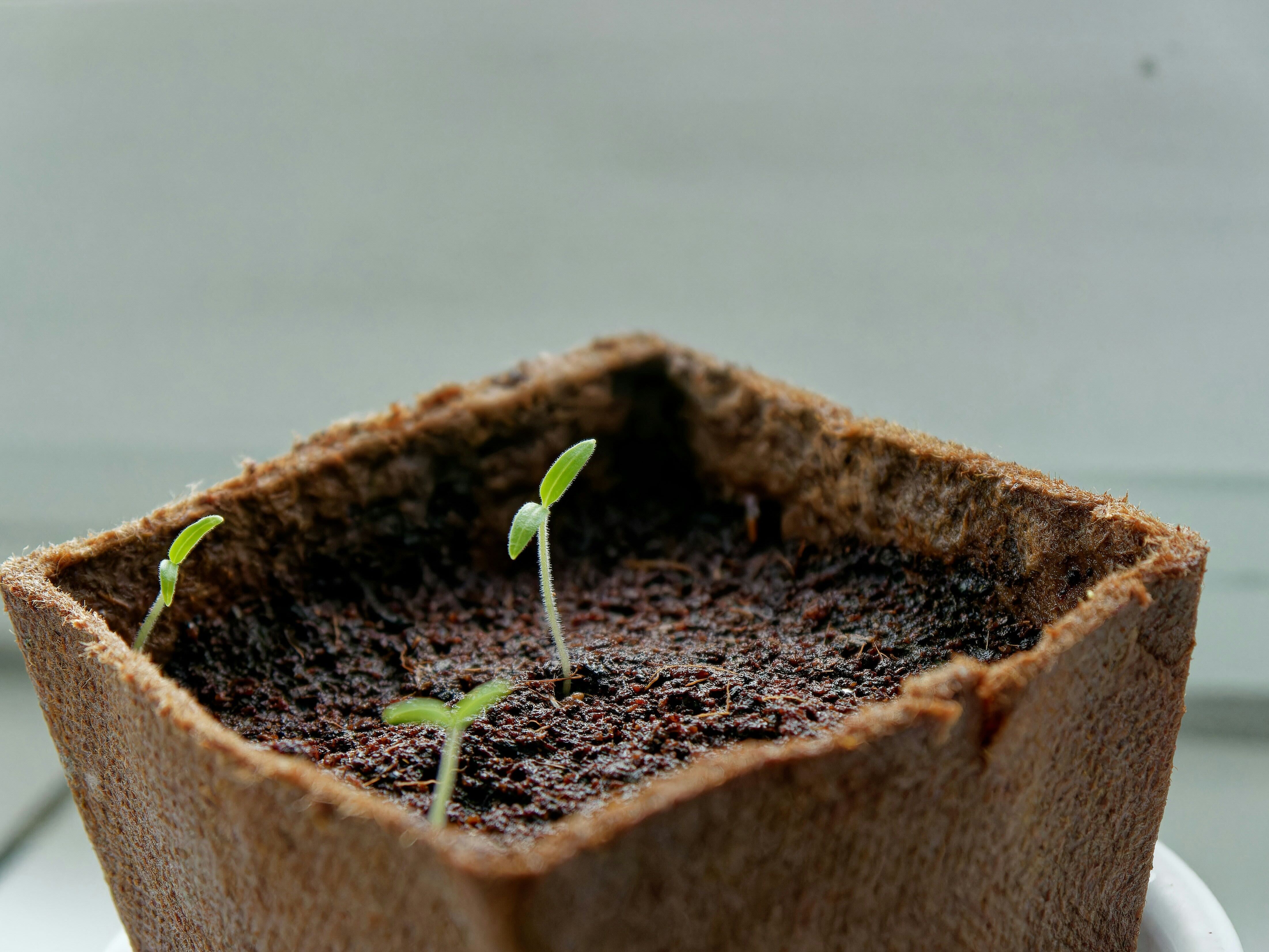
I’m starting most of these indoors, using simple seed trays on a south-facing windowsill.
These reusable seed trays are really great so I don’t have to keep getting cheap ones every year! Also, who doesn’t love Charles Dowding!
I’ve learned that you don’t need anything complicated, but consistency matters. A fine-rose watering can is important, so the compost doesn’t wash away. You don’t need anything incredibly fancy, but if you also love something that is both practical and pretty, I highly recommend this one from Hortology. But honestly, this one from IKEA will do the trick perfectly!
Proper labels (because memory is unreliable) will keep you on track. I certainly can’t rely on my memory. Have a browse here and choose ones that you think will work best for you.
And a decent peat-free compost that doesn’t dry out too quickly. I use the trusty Miracle-Gro and it never let’s me down.
Letting Seed Sowing Be Slow
Seed sowing feels slow, almost meditative, when you let it be. A few minutes in the morning, a check in the evening, and then you step back. No rush, no pressure to get it perfect. You do what you can and let the rest unfold. Maybe that’s why I love it so much this time of year - it feels like a quiet reset, both for the garden and for me.

.jpg)