When I Stopped Following the Calendar
For years, I followed sowing calendars religiously. If it said “now!”, I sowed now - even if it was still freezing outside and my seedlings never stood a chance.
What I’ve learned is that UK seed sowing works best when you pay attention to conditions, not dates.
Starting Indoors in Late Winter
Late winter and early spring are perfect for sowing indoors. Your windowsill is warmer and brighter than you think, especially with a simple grow light to boost daylight hours. I don’t use anything complicated, just something small and adjustable that gives seedlings a bit of consistency when the weather can’t. These are some really nifty clip on lights, which make things quite flexible and if you have a small space, I think they work really well!
Hardy seeds don’t mind a cooler start, but most vegetables prefer steady warmth - something a cold greenhouse can’t always offer in March. In my previous article I wrote that I tend to use sturdy, reusable seed trays rather than the flimsy ones I used to replace every year - they hold warmth better and make the whole process feel more intentional.
By April, things start to shift. Soil warms. Days stretch. I started experimenting with outdoor sowing, but I always keep frost fleece nearby. It’s one of those things you don’t think you need until you really, really do. Take a look at a few here and see what fits your space and budget.
What Seeds Really Need
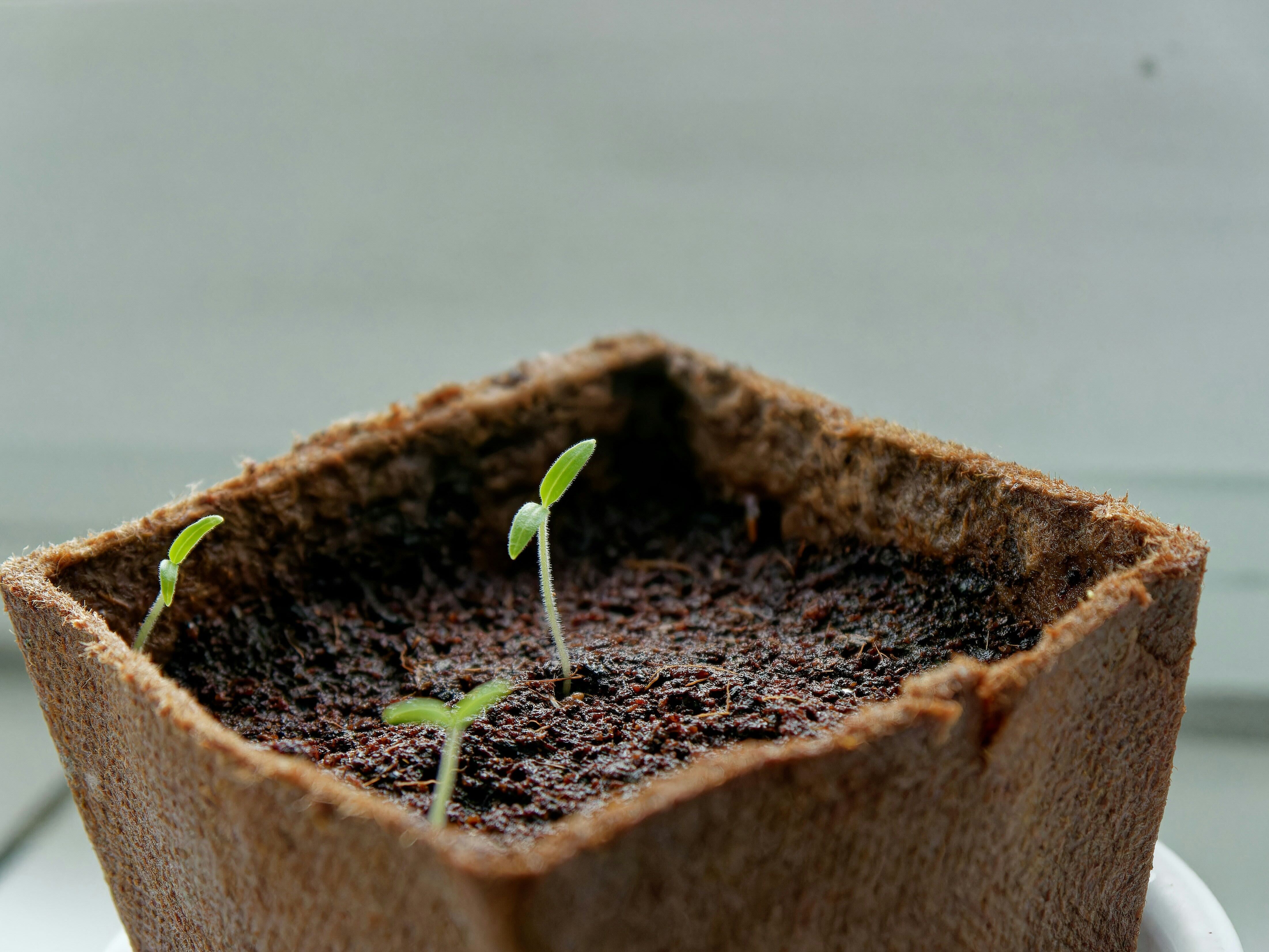
The biggest lesson? Seeds don’t care what month it is. They don’t know it’s March or April, and they certainly don’t follow calendars. What they respond to is warmth, light, and a bit of restraint with the watering can. Too cold and they stall. Too dark and they stretch. Too much water and they rot before they ever get a chance. Once I stopped worrying about dates and started paying attention to those basics, seed sowing became far more successful, and far less stressful.
.jpg)