A great living room layout is the secret to a home that feels both comfortable and works for your everyday life. It’s not just about where you put the furniture; it's about arranging everything in a way that makes sense for how you actually live, considering how you move through the space and what you want the room's main focus to be.
Laying the Groundwork for Your Living Room
Before a single sofa gets shifted or a rug is unrolled, the most important thing you can do is get to know your space. This planning stage is your best defence against expensive mistakes, ensuring the final design is as practical as it is beautiful. Think of it as creating the blueprint for your perfect room.
Get a Measure of Your Space
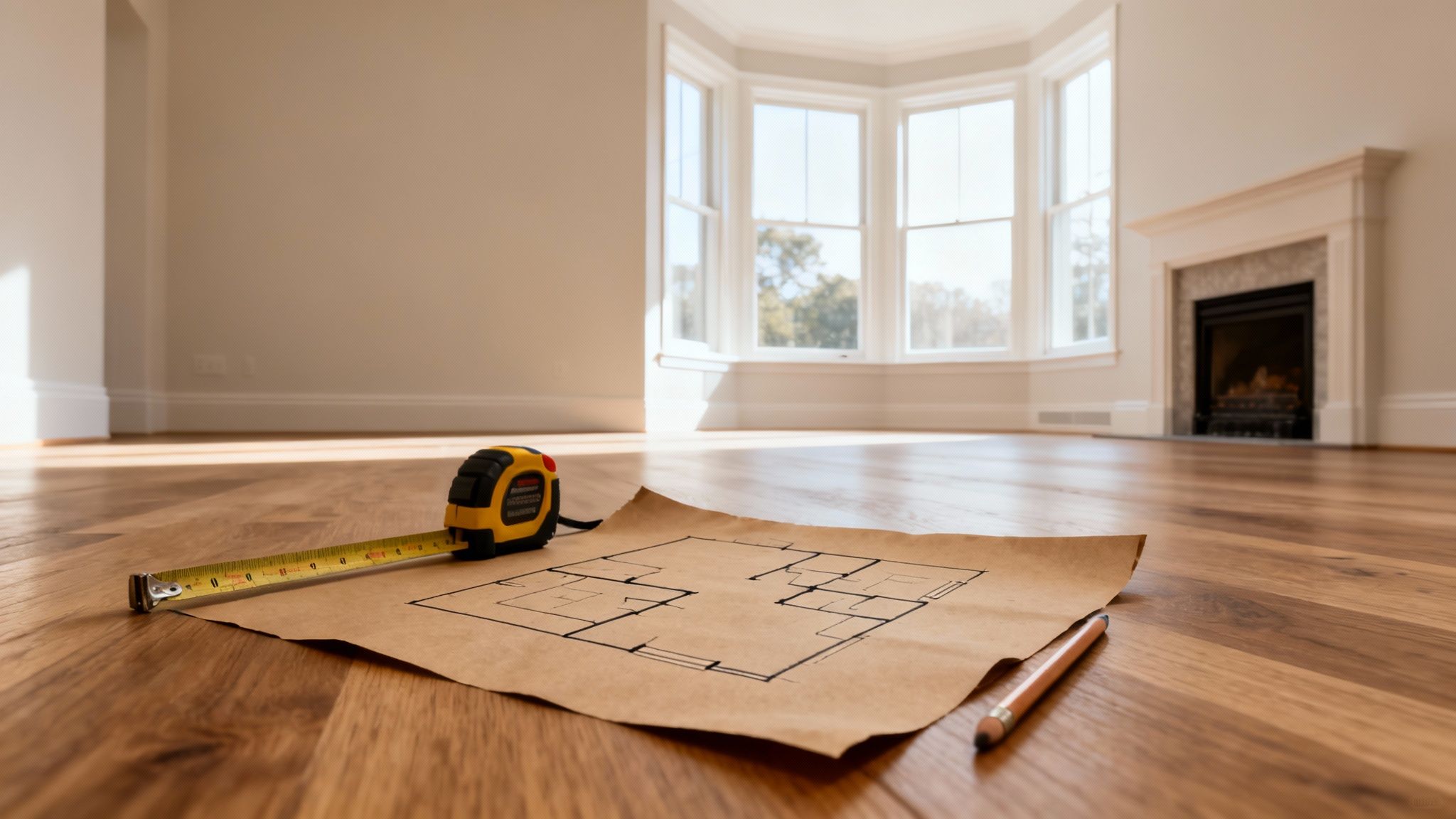
First things first, grab a measuring tape, paper, and a pencil. You don’t need complex software; a simple sketch will do the trick. Measure the room's length and width, writing down the dimensions. Make sure you also note:
- Doors and Windows: Mark exactly where they are, how wide they are, and which way the doors swing open.
- Built-in Features: Jot down the location of any fireplaces, alcoves, built-in shelves, or tricky corners.
- Sockets and Switches: Knowing where your power points are from the start will save you a headache when it comes to placing lamps or your TV.
This rough floor plan is now your sandbox. You can play around with different furniture arrangements on paper without the back-breaking work of moving heavy items.
Figure Out What the Room Is For
Now, ask yourself the most important question: what do I need this living room to do? Your answer will shape every single decision you make. A room designed for chic, formal get-togethers will look completely different from one that’s all about cosy family film nights.
Think about your daily life. Is this a space where kids play while you're trying to work? Or is it a peaceful retreat for reading and unwinding? Be brutally honest. A layout that looks gorgeous in a magazine but doesn't fit your lifestyle will only end up causing frustration.
I see it all the time—people design a room for a life they wish they had, not the one they actually lead. Your layout needs to serve your real habits, not fight them.
Map Out the Natural Flow
Every room has natural pathways—the routes people instinctively take to get from A to B. It could be from the hallway door to the sofa, or from the kitchen doorway to the patio doors. Your job is to keep these main routes clear.
Picture yourself walking through the room. Where do you enter and where are you most likely to go? A badly placed armchair or a sprawling coffee table can create a frustrating obstacle course, making the whole space feel cramped. A well-planned layout lets you move around effortlessly, guiding traffic around the main seating area, not straight through it. Considering this is fundamental to a room that feels welcoming. For more ideas on creating the right atmosphere, have a look at different colours for your living room, as this can be a brilliant starting point.
Anchoring Your Space With a Focal Point
Every truly great living room has a secret weapon: a clear focal point. This is the first thing that catches your eye when you walk in, the natural anchor that the rest of your furniture is built around. Without one, a room can feel a bit chaotic and unfocused, leaving you (and your guests) unsure of where to settle.
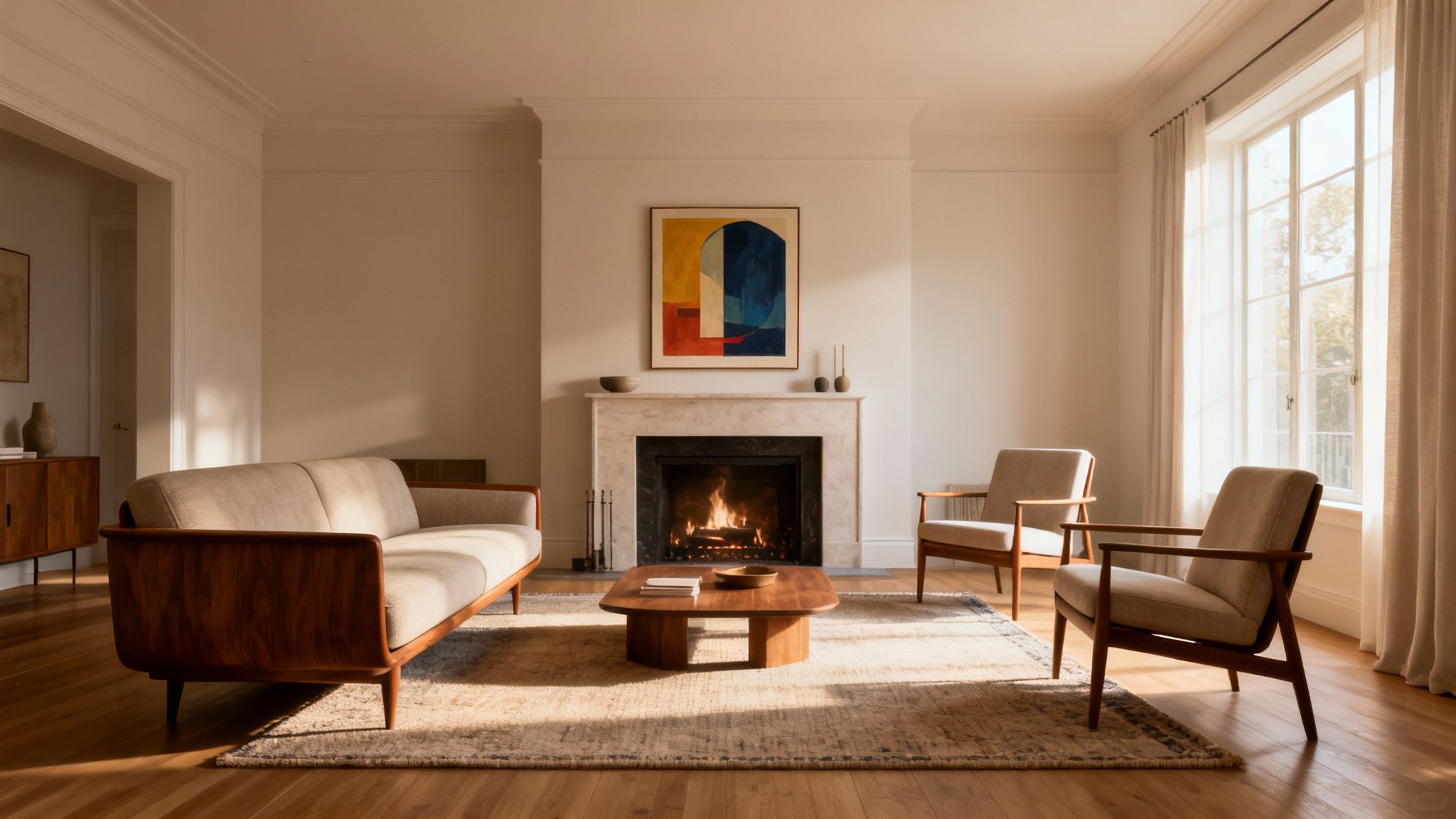
Think of your focal point as the star of the show. It gives the room a sense of purpose and provides a natural starting point for arranging all your seating. The ultimate goal is to create an inviting atmosphere that encourages people to sit down, connect, and have a good conversation.
Identifying Your Room's Centrepiece
Some rooms make it easy for you, coming with a built-in focal point. These are the architectural features that give a space its character and are basically impossible to ignore.
You might be working with:
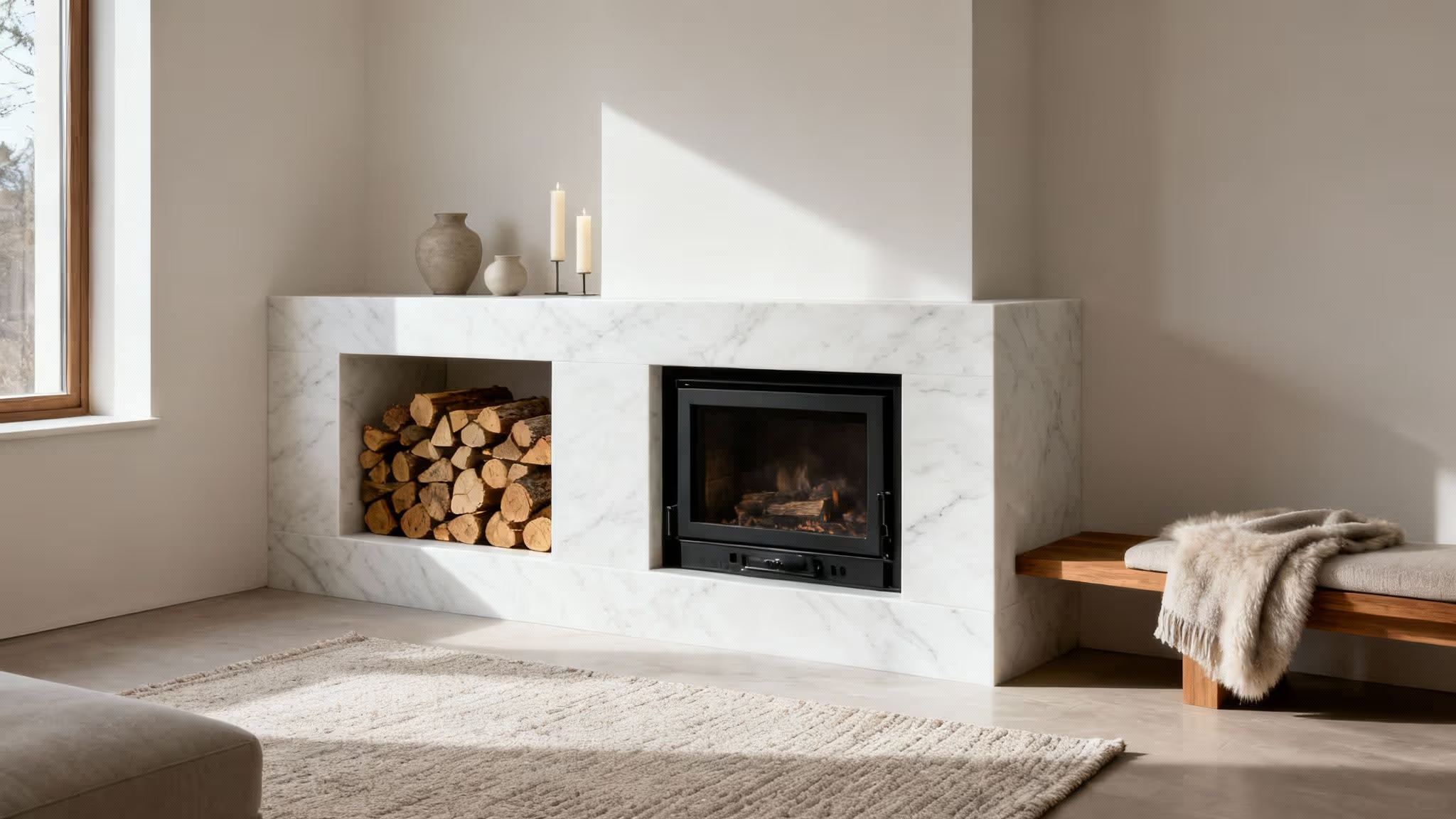
- A traditional fireplace or log burner: A classic choice that instantly brings a sense of warmth and cosiness to the layout.
- A large picture window with a stunning view: If you’re lucky enough to have a beautiful garden or city skyline, let nature do the talking.
- Built-in shelving or media units: A well-styled set of shelves or a sleek media wall can easily command attention.
If your room doesn't have an obvious architectural feature, don't panic—you just get to create your own. A large, bold piece of artwork, a statement gallery wall, or even a striking accent wall can serve the exact same purpose. The key is to choose something that really commands attention and reflects your personal style.
Arranging Seating for Connection
Once you've settled on your focal point, the next step is to arrange your main seating around it. This is where your living room layout truly comes to life. You’re aiming for a comfortable, functional setup that promotes conversation, not an awkward space where people have to shout across the room to be heard.
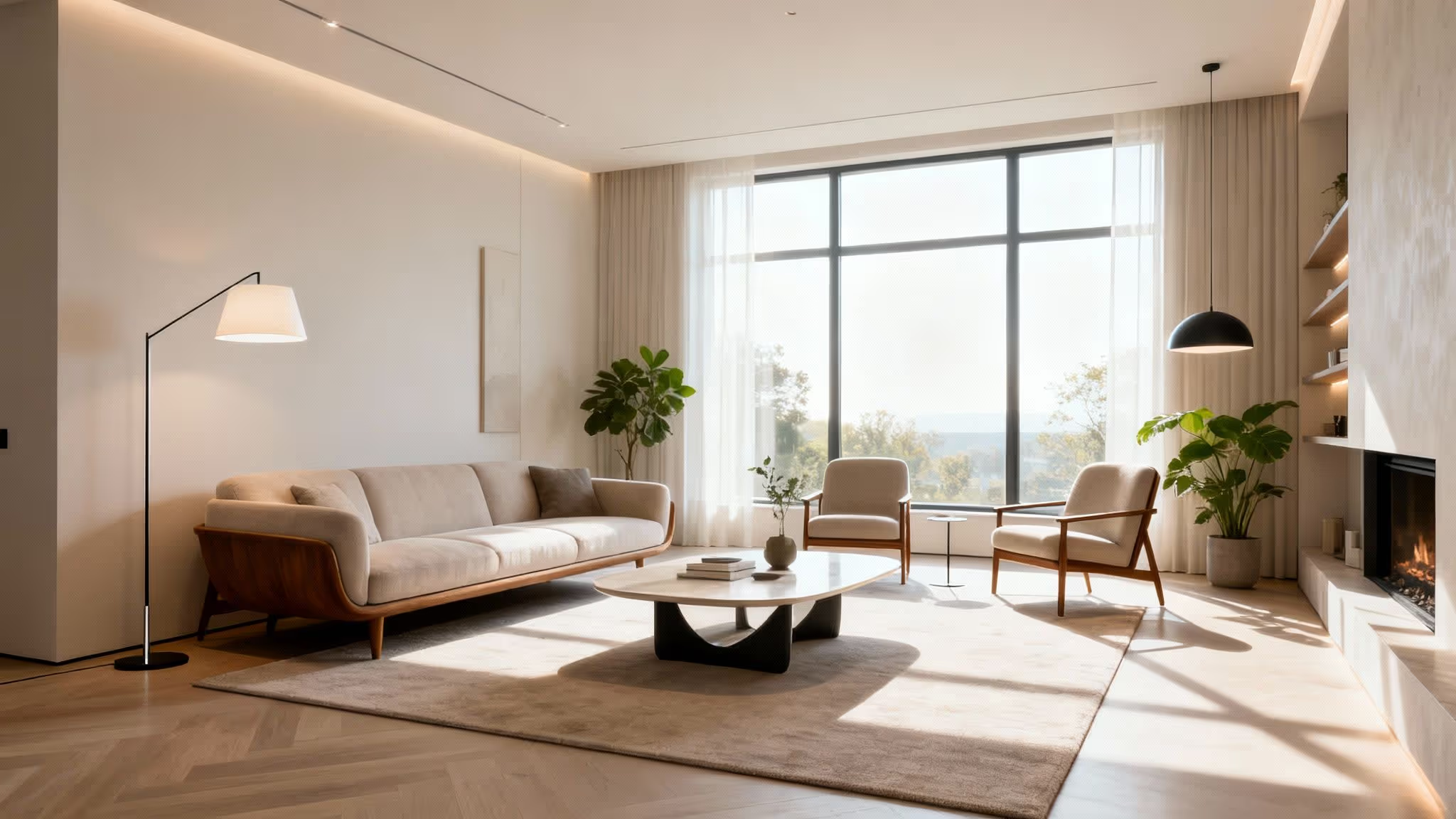
A good rule of thumb is to create a U-shape or an L-shape with your sofas and chairs, all facing towards the focal point and, just as importantly, each other. For instance, if your fireplace is the star, you might place your main sofa directly opposite it, with a pair of armchairs at right angles on either side.
The biggest mistake I see is people treating their furniture like it’s being punished by pushing it all against the walls. Pulling your sofa even a few inches away from the wall creates breathing room and makes the entire layout feel more intentional and sophisticated.
This grouping forms a natural conversational zone. You want people to be close enough to chat comfortably, which usually means keeping no more than 8-10 feet between seating pieces. This simple trick ensures the space feels intimate and connected.
Using Rugs to Define Your Zone
In any living room, but especially in open-plan spaces, an area rug is your best friend. It acts as a visual anchor, grounding your furniture and clearly defining the conversation zone. A well-chosen rug ties all the individual pieces of furniture together into one cohesive group.
The golden rule here is to choose a rug large enough for at least the front legs of your sofa and all of your chairs to sit on it comfortably. This is what visually connects everything. To get the scale just right, our guide on how to choose a rug for your living room has you covered. Trust me, a rug that's too small will only make the room feel disjointed and smaller than it actually is.
The desire for a well-defined, inviting living space is a common goal for UK homeowners. In fact, home renovation trends show that lounge updates are a huge part of improvement plans, with flooring upgrades being a particularly popular choice. The average cost for new flooring in a typical 14 m² living room ranges from £300 to £800, which shows a clear willingness to invest in the foundations of a great layout. This investment really highlights the central role the living room plays in daily family life and as a hub for socialising.
Designing for Effortless Traffic Flow
A beautiful living room can quickly become a daily frustration if it’s a pain to move around in. The real mark of a great layout isn’t just how it looks, but how it feels to live in it. This is where traffic flow comes in—the unseen paths that guide you from the door to the sofa, or from your favourite armchair to the kitchen.
Getting this right means creating a space that feels intuitive and easy. You want to avoid those little daily annoyances, like having to shuffle sideways past a coffee table or squeeze around a poorly placed chair. A well-planned layout thinks about these natural routes from the very start.
Mapping Your Main Pathways
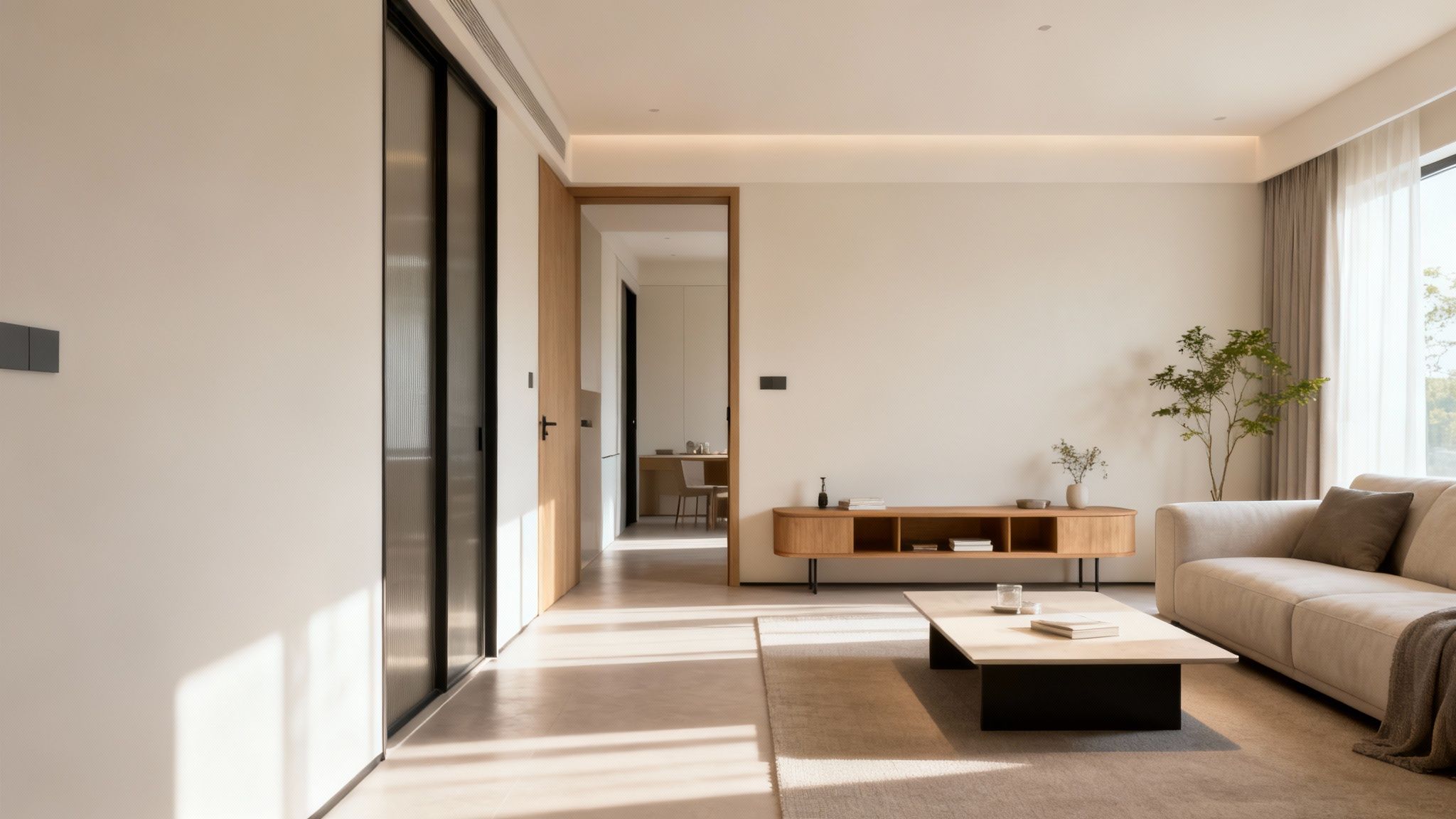
Before you commit to a single furniture position, take a moment to consider your "desire lines." Think about it: what are the most common journeys people take through this room? There's almost always a main path from the hallway entrance to the primary seating area, for example.
Once you’ve pinpointed these key routes, your job is to keep them clear. This means arranging furniture so these pathways are open and unobstructed. Ideally, a good layout guides people around the central conversation area, not straight through the middle of it.
The Golden Rules of Spacing
Creating clear pathways is often a game of centimetres, but getting it right makes all the difference. While every room has its quirks, following a few key measurements can transform a cluttered space into a comfortable one.
Here is a quick reference guide to the essential measurements that ensure your living room is both functional and comfortable.
Sticking to these guidelines helps create a layout that feels balanced and considered, taking the guesswork out of furniture placement.
A common mistake I see is people pushing all their furniture right up against the walls, thinking it will make the room feel bigger. It actually does the opposite. Leaving even a small gap creates a sense of airiness and makes the entire layout feel more intentional.
Solving Common Flow Problems
Even with the best plans, it's easy to create accidental obstacles. A sofa that slightly blocks a doorway, for instance, can become a source of daily irritation. Likewise, a chair placed too close to a high-traffic spot forces everyone to take an awkward detour.
This becomes especially important in open-plan homes, where your living room layout has to create distinct zones without walls. Here, a strategically placed sofa or a large console table can act as a subtle divider, guiding the flow of traffic and separating the lounge area from a dining space or walkway.
Getting these arrangements right is a real game-changer. For more clever solutions, particularly for tighter areas, you can find more inspiration in our guide to small living room layout ideas. By putting movement first, you’ll design a living room that doesn’t just look fantastic but is a genuine pleasure to be in.
Using Light to Enhance Your Layout
Once you’ve nailed the furniture placement and your room flows beautifully, there’s one final element that will bring it all to life: lighting. The right lighting scheme can take a good layout and make it truly exceptional. It’s the secret ingredient that highlights your best features, makes the room more usable, and creates a genuinely welcoming atmosphere.
Thinking about lighting is far more than just picking out a pretty lampshade; it’s a strategic layer of your design. A well-lit room always feels bigger, cleaner, and more inviting. On the flip side, poor lighting can make even the most perfectly arranged space feel cramped and gloomy. The key is to think in layers, blending different types of light to work for you.
Maximise Natural Light First
Before you even think about a single light bulb, your first job is to make the most of the natural light you have. Daylight is an incredibly powerful tool for making a space feel airy and open. Pay attention to how the sun moves through your room over the course of the day, and let that guide your layout.
You could, for example, place a favourite armchair in a spot that catches the soft morning sun to create the perfect reading nook. When it comes to the television, try to position it on a wall that’s perpendicular to the main window, not directly opposite. This simple move is a game-changer for minimising that annoying glare on the screen.
This focus on daylight is becoming a huge priority for homeowners. A recent Houzz UK Emerging Trends Report found that features designed to boost natural light are soaring in popularity. Searches for internal glass doors and glass wall partitions shot up by 91% and 202% respectively, which really shows a collective move towards brighter, more open living spaces.
The Three Essential Lighting Layers
A truly effective lighting plan is built on three distinct layers that need to work in harmony. One of the most common mistakes I see is relying on a single, central ceiling light. This almost always casts harsh shadows and leaves the corners of the room feeling dark and forgotten. Instead, you should aim to combine these three types for a balanced and versatile scheme.
Ambient Lighting: This is your foundation. It’s the general, overall light that lets you see and move around the room safely. It typically comes from a central ceiling fixture like a pendant light or chandelier, or from recessed downlights.
Task Lighting: This is more focused light, aimed at a specific area where you need it for a particular job. Think of a floor lamp next to a sofa for reading, or a small table lamp on a console table where you might sort through the post.
Accent Lighting: This is the most decorative layer, used purely to draw the eye to specific features in your living room. You might use it to highlight a piece of art, an architectural detail like a fireplace, or a beautiful display on a bookshelf. Wall sconces and picture lights are perfect examples of accent lighting.
By layering these three types of light, you gain complete control over the room's mood. You can have everything bright and functional for a family games night, or dial it right down to just soft accent and task lighting for a cosy, relaxing evening.
Choosing and Placing Your Fixtures
With these layers in mind, you can start choosing the right fixtures to support your furniture plan. Where you place them is just as important as their style. A floor lamp, for instance, works best when it’s tucked into a corner behind an armchair; it provides targeted light exactly where you need it, without getting in the way of your main walkways.
Don’t forget to consider the scale of your fixtures, either. A large, dramatic pendant light can become a secondary focal point in a room with high ceilings, while a collection of smaller table lamps can create warm, inviting pools of light in a larger space.
If your room is naturally on the darker side, take a look at our dedicated guide on how to brighten a dark room for more targeted ideas. Ultimately, your lighting should complement your layout, not compete with it, creating a space that looks beautiful and functions perfectly for any occasion.
Bringing Your Layout to Life with Style
Once you’ve got the functional bones of your living room sorted, it’s time for the fun part. This is where you get to breathe life and personality into the space, turning a well-arranged room into a place that feels uniquely yours. We're talking about the final layers: colour, texture, and all those little finishing touches that make a house a home.
Building a Cohesive Colour Palette
Colour is your secret weapon for pulling everything together. The right palette will enhance the flow you’ve worked so hard to establish, making the whole room feel considered and intentional. It’s the thread that connects everything, from the paint on your walls to the cushions on your sofa.
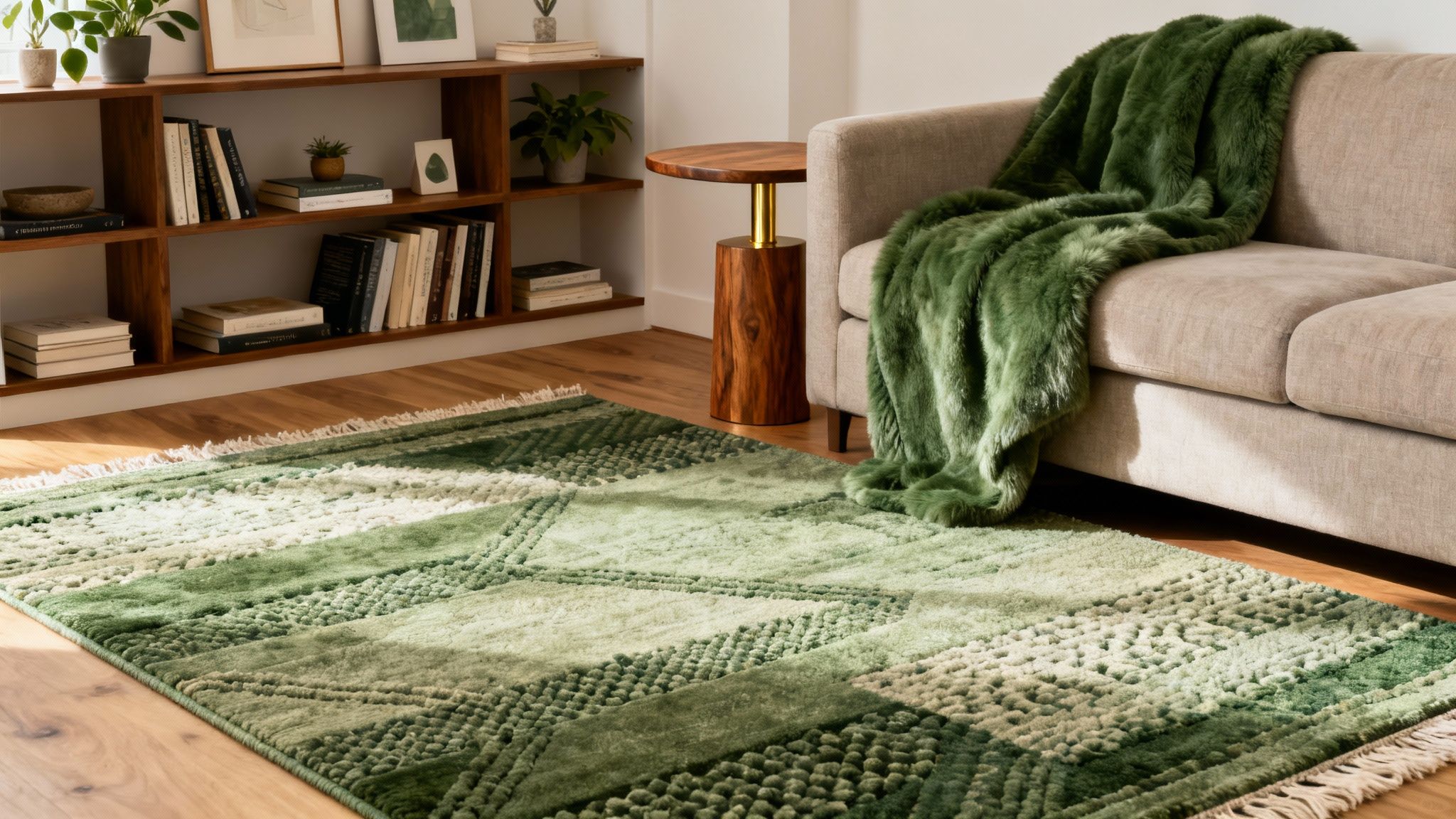
Right now, UK interiors are leaning heavily into natural, earthy tones that create a really calm, serene atmosphere. Green, in particular, has become a go-to choice for its incredible versatility and its power to bring a bit of the outdoors in. This trend naturally influences everything from furniture to accessories, helping to shape layouts that feel warm and inviting.
The Art of Layering Textures
Texture is what stops a room from feeling flat. A truly successful living room layout is one that makes you want to reach out and touch things. By mixing different materials, you create a rich sensory experience that adds depth and warmth.
The trick is to introduce a variety of textures that play off each other.
- Soft and Plush: Think woolly throws, velvet cushions, and a deep-pile rug. These add instant comfort and a feeling of cosiness.
- Smooth and Sleek: A few metallic accents—a lamp base, a picture frame, a modern vase—can catch the light and add a sophisticated, polished feel.
- Natural and Raw: Materials like wood, rattan, and linen bring an organic, grounded element to the space, keeping it from feeling too sterile.
Layering rugs is a fantastic technique for building texture and subtly defining different zones within your layout. If you're curious, we have a whole journal entry on how to layer rugs effectively. It’s amazing what a difference it can make.
A well-styled room is a story told through objects. Every accessory, from a travel souvenir to a family photo, should be a chapter in that story, chosen with intention rather than just to fill a space.
Accessorising Without Creating Clutter
This is the final hurdle, and it’s where a brilliant layout can sometimes go wrong. The key to accessorising is to be deliberate. Every single item should have a purpose, whether it's functional, beautiful, or sentimental. It’s all about curation, not just collection.
A great way to start is by creating small, styled "vignettes" on key surfaces.
- Coffee Tables: Try grouping items in threes. A stack of interesting books, a small plant, and a decorative tray can create a lovely focal point without eating up the whole surface.
- Bookshelves: Mix things up. Don't just line books up vertically; stack some horizontally to create platforms for small objects. Weave in personal items like photos or small sculptures to break up the rows.
- Mantels: Don’t be afraid of asymmetry. Try placing a large piece of art slightly off-centre, then balance it with a cluster of smaller objects, like candlesticks of different heights, on the other side.
And remember, empty space is your friend. Leaving some surfaces clear gives your chosen accessories room to breathe and makes them feel more special. This thoughtful approach is the final step in turning your functional layout into a beautiful, personal sanctuary.
Common Living Room Layout Questions Answered
Even with the best advice, every living room throws a few unique puzzles your way. Let's tackle some of the most common dilemmas I see people grappling with when they're trying to get their layout just right. These practical answers should help you navigate those tricky spots and make decisions you feel great about.
How Do I Arrange Furniture in a Small Living Room?
When you’re tight on space, your mantra needs to be smart scale and verticality. It all starts with choosing furniture that actually fits the room. That huge, plush sofa you’ve been eyeing? It's going to swallow a small space whole. Instead, look for apartment-sized sofas, armchairs with a slimmer profile, and pieces with legs that lift them off the floor, creating a wonderful sense of openness.
Your next best move is to think vertically to draw the eye upward. A couple of tall, narrow bookshelves or curtains hung high and wide can make a room feel much taller than it is. And don't underestimate the classic designer's trick: a large, well-placed mirror. It’s not just for looks; it genuinely bounces light around and creates a real illusion of depth.
If you're dealing with a long, narrow room, fight the urge to line everything up against the walls like a waiting room. Pull your main seating away from the walls to create a cosy, central conversation hub. This simple shift leaves a clear walkway down one side and makes the room feel organised and intentional, not like a hallway.
What Is the Biggest Mistake to Avoid in a Layout?
Hands down, the most common mistake I see is pushing every single piece of furniture flat against the walls. People think it will maximise the floor space, but it does the exact opposite. All it achieves is a sterile, awkward "dance floor" in the middle of the room that feels cold and uninviting.
The single biggest improvement you can make to your living room is to "float" your furniture. Even pulling your sofa forward by just a few centimetres can dramatically improve the room's balance, creating a far more intimate and sophisticated feel.
This simple act of pulling furniture away from the walls immediately establishes a clear, purposeful seating area. It gives the room space to breathe and makes the entire layout feel more considered and professionally designed.
How Can I Create Zones in a Multi-Functional Room?
In today's homes, the living room often has to be a home office, a playroom, and a place to relax. When one room wears many hats, zoning is your secret weapon. The goal is to carve out distinct areas for different activities without actually putting up walls. Your number one tool for this? Area rugs.
A large rug is brilliant for visually anchoring your main seating area, clearly defining it as separate from, say, a workspace or a kids' play corner. The back of a sofa also makes for an excellent low-profile divider. Pop a slim console table behind it, and you've not only reinforced that separation but also added some handy storage.
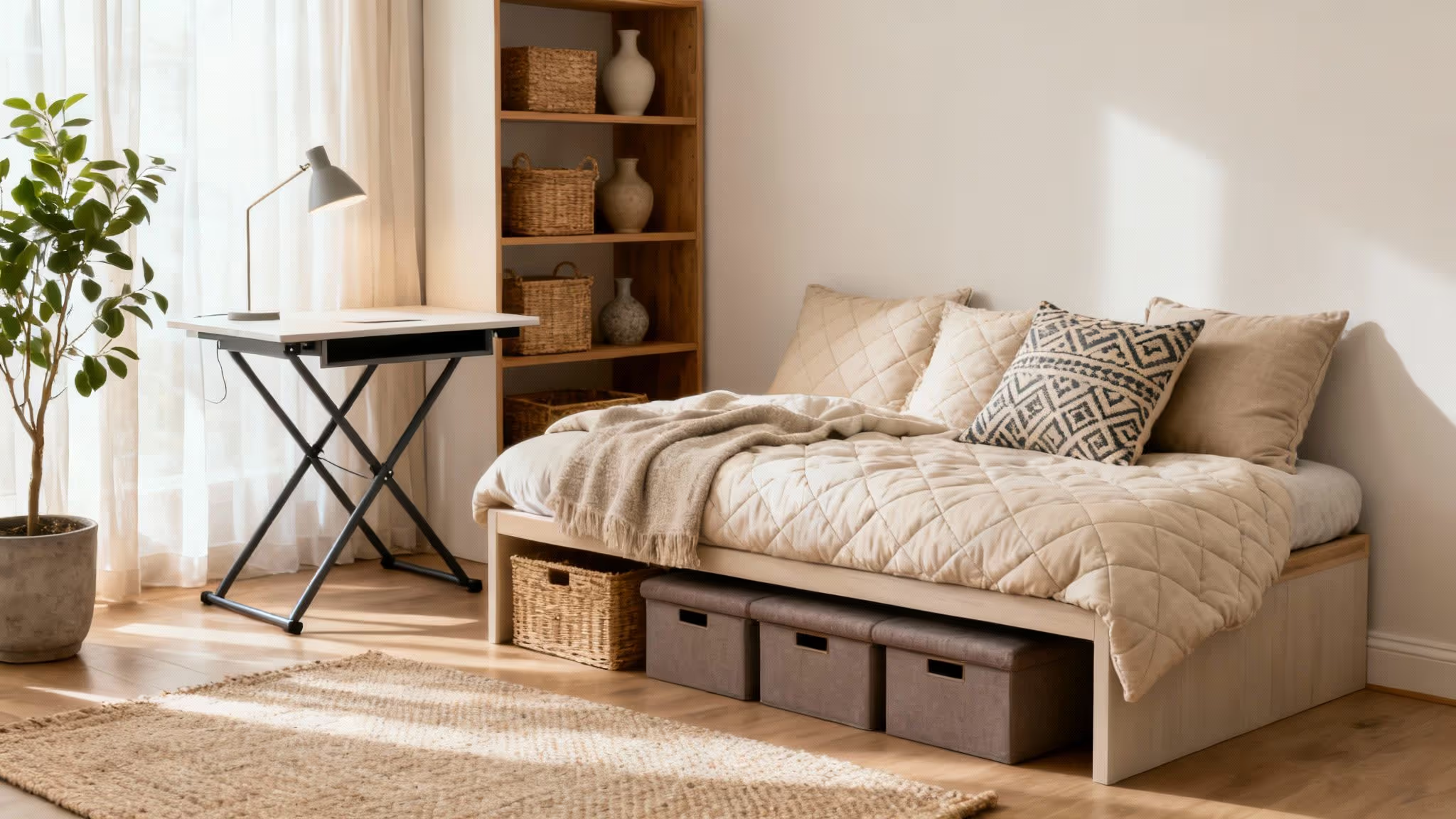
Make sure each zone has its own dedicated lighting to suit its purpose. A bright floor lamp is perfect for a reading nook, while a focused task lamp is a must for a work desk. Finally, use clever storage—like an ottoman with a hidden compartment or a stylish sideboard—to stop clutter from one zone spilling into the next. This is key to keeping your multi-functional space feeling calm, cohesive, and organised.