
Styling a small living room can feel like a game of Tetris, but getting the layout right is the secret to winning. If you plan your space before you even think about buying furniture, you can create a room that feels considered, calm, and much bigger than it actually is. Honestly, this is the most crucial part of getting it right.
Strategic Layouts for Every Small Living Room

Before you fall head over heels for a plush sofa online, pause. The very first step is to get to grips with the room you actually have. You can't style your way out of a bad layout, and a few simple measurements now will save you from classic small-space mistakes, like a sofa that bullies the room or a walkway you constantly have to squeeze past.
Grab a tape measure and jot down the room's length and width. Don't forget to note where windows, doors, and any fixed features like radiators or a fireplace are. This gives you a clear, honest blueprint to work from.
Map Out Your Flow
With your measurements in hand, think about how you move through the room. Where are the natural traffic paths to other parts of your home? These need to stay clear, otherwise the space will always feel awkward and frustrating. It’s the number one mistake people make – blocking a key walkway without even realising it.
Next, consider how you’ll really use the room day-to-day. Is it mostly for crashing in front of the TV, quiet reading, or having friends over? Pinpointing its main job helps you create logical zones, even in a tiny footprint. A cosy reading nook, for example, can be as simple as a comfy chair, a small side table, and good lighting. For more inspiration on layouts, we've gathered some practical small living room layout ideas to get you started.
Visualise with This Simple Trick
One of the best, low-cost planning tools out there? A roll of masking tape. Once you’ve sketched out a potential arrangement, mark the exact dimensions of your dream sofa, armchairs, and coffee table directly onto the floor.
This little trick is a game-changer. It gives you a proper feel for the scale and flow of the room before you spend a penny.
Living with the taped-out shapes for a day or two is our top tip. You can physically walk around the 'furniture' and test drive the layout. You’ll know instantly if a walkway feels too tight or if you can't reach the coffee table from the sofa. It's a simple step that prevents very expensive mistakes.
Choosing Furniture That Works Smarter

Once you’ve got a layout that feels right, the fun part begins: choosing the actual pieces. In a small living room, every item has to earn its keep. It’s less about filling space and more about finding smart, hard-working furniture that goes beyond just looking good.
This means shifting your mindset. Think of your furniture as active contributors to the room, not just static objects. Thankfully, we've moved far beyond the clunky sofa bed being your only option. Today’s multifunctional furniture is clever, stylish, and designed with compact living in mind.
It’s a change that’s shaping the entire industry. The UK living-room furniture market is set to hit around US$5.18 billion by 2025, and a huge driver of that growth is the demand for space-saving pieces for smaller urban homes. Retailers are focusing on modular sofas and storage benches, responding directly to those of us with less square footage to play with.
Embrace Visual Lightness
One of the best tricks in the book for small spaces is understanding visual weight. This isn't about an item's actual weight, but how heavy it feels to the eye. A bulky, dark sofa that sits flat on the floor can feel like a solid block, visually eating up precious space.
On the other hand, a sofa raised on slender legs immediately creates a sense of openness. Being able to see the floor underneath makes the piece feel lighter and less imposing, tricking your brain into seeing a bigger room. It's a small detail that makes a massive difference.
- Leggy Furniture: Look for sofas, armchairs, and media units with visible legs. Whether wood or metal, they lift furniture off the floor and add a touch of style.
- Slim Silhouettes: Opt for pieces with clean lines and thin arms instead of overstuffed, bulky designs. An armless chair, for example, gives you seating without the visual clutter.
- Reflective Materials: A coffee table with a glass, lucite, or mirrored top can almost disappear into the room, preventing it from feeling crowded.
A great rule of thumb is to ask: "Can I see the floor or wall through or under this piece?" If the answer is yes, it probably has low visual weight and is a great shout for your living room.
Prioritise Multifunctional Heroes
In a small room, every piece of furniture should ideally have more than one job. This is the secret to creating a space that’s practical and genuinely uncluttered.
A lift-top coffee table is the perfect example. It's a spot for your cuppa, but it can also rise up to become a desk or a dining table for one. Plus, they often hide valuable storage for remotes, magazines, or that cosy throw blanket. For a deeper dive into making the most of your home, check out our collection of small space decorating ideas for more inspiration.
Other hard-working favourites include:
- Storage Ottomans: These are absolute game-changers for stashing away everything from board games to spare cushions, all while serving as a footrest or extra seating when guests pop over.
- Nesting Tables: A set of two or three tables can be tucked away neatly to save space, then pulled out whenever you need more surface area.
- Modular Sofas: These offer the ultimate in flexibility. You can rearrange the sections to suit movie nights, big gatherings, or just a lazy Sunday afternoon.
Using Colour and Light to Create Depth

Now that you’ve got a smart layout and the right furniture, it’s time for the fun part. Using colour and light is where you can really start to transform the feel of your small living room, creating the illusion of space and making it feel airy, open, and instantly more inviting.
Paint is your foundation. Light, neutral shades are your best friend here—think off-whites, soft greys, and pale beiges. They work wonders by reflecting light, which visually pushes the walls back. For a more sophisticated look, try a tonal scheme, using varying shades of the same colour. This adds depth without the visual noise that lots of different bold colours can create.
This isn't just a classic trick; it's what designers are loving right now. Interior experts are all leaning into calming, nature-inspired palettes like muted greens, soft blues, and earthy neutrals. In fact, green is one of the most-searched-for living room colours at the moment, proving that a serene shade can expand a room and feel bang on trend. You can find more inspiration in Country Living's roundup of popular living room colours.
Master the Art of Layered Lighting
A single, lonely ceiling light is the enemy of a small space. It often casts harsh shadows that make corners feel dark and the whole room feel a bit… flat. The secret is to layer your lighting, combining a few different sources to create pools of light that make the room feel warm and balanced.
Think of your lighting in three simple layers:
- Ambient: This is your main light source, like a stylish pendant or recessed spotlights that give the whole room a general glow.
- Task: This is more focused light for specific jobs. A floor lamp tucked beside an armchair for reading, or a small table lamp on a side table, are perfect examples.
- Accent: This is the fun bit. Use it to highlight things you love, like a piece of art or a particularly nice houseplant. Think picture lights or a small, adjustable spotlight.
By mixing these three, you draw the eye around the room, banish those dark corners, and make the whole space feel larger and more dynamic. We dive deeper into this in our guide to choosing the best colours for your living room.
Play with Mirrors and Windows
It’s a cliché for a reason: mirrors really do work wonders in a small living room. Placing a large mirror opposite a window is the classic move, as it will grab all that daylight and bounce it right back into the room, instantly making it feel brighter and bigger.
Try placing a large, lean-to mirror against a wall. It’s a modern, stylish focal point that creates a powerful illusion of depth without taking up any precious floor space. An effortless win for making your room feel significantly bigger.
Finally, give your window treatments some thought. Heavy, dark curtains can suck the light out of a room and make it feel boxed in. Instead, go for lightweight fabrics like linen or sheer voiles that let the daylight filter through while still giving you a bit of privacy. If you need more light control, you could fit a simple roller blind inside the window recess and hang light, airy curtains on either side.
Clever Storage Solutions for a Clutter-Free Space

Let's be honest: clutter is the number one enemy of a small living room. It’s the fastest way to make a space feel chaotic, cramped, and instantly smaller than it actually is. The solution isn’t about adopting extreme minimalism, but about being clever with storage that feels like a natural part of your home.
The trick is to weave storage into your decor so seamlessly that it feels intentional, not just a necessity. By thinking vertically and making the most of every awkward nook, you can keep that calm, organised feeling where everything has its place.
This is a shift we’re seeing more and more. Recent UK home renovation statistics show that projects like bespoke storage are becoming a top priority, especially for those of us with more compact properties. It’s all about smart investments that make a big difference.
Go Vertical to Maximise Your Floor Plan
When floor space is at a premium, the only way is up. It’s one of the oldest tricks in the book for a reason. Drawing the eye upward not only gives you more storage but also creates a clever illusion of higher ceilings, making the whole room feel more open and airy.
So, swap that wide, low bookcase for a tall, slimline unit that gives you stacks of shelving without a chunky footprint. Floating shelves are another hero piece here; they keep the floor clear and give a minimalist look that stops the walls from feeling crowded.
- Wall-Mounted Units: Perfect for everything from books to your TV setup, getting bulky media furniture off the floor entirely.
- Ladder Shelving: A stylish, modern choice that leans against the wall, offering plenty of display space without feeling heavy or permanent.
- Picture Ledges: Great for rotating your favourite art and photos without hammering endless nails into the wall, keeping visual clutter under control.
Find and Use Hidden Opportunities
Look around your living room. I guarantee it’s full of overlooked storage potential. Those forgotten corners and awkward spots can become your greatest organisational allies with a bit of creative thinking, turning dead space into a genuinely functional feature.
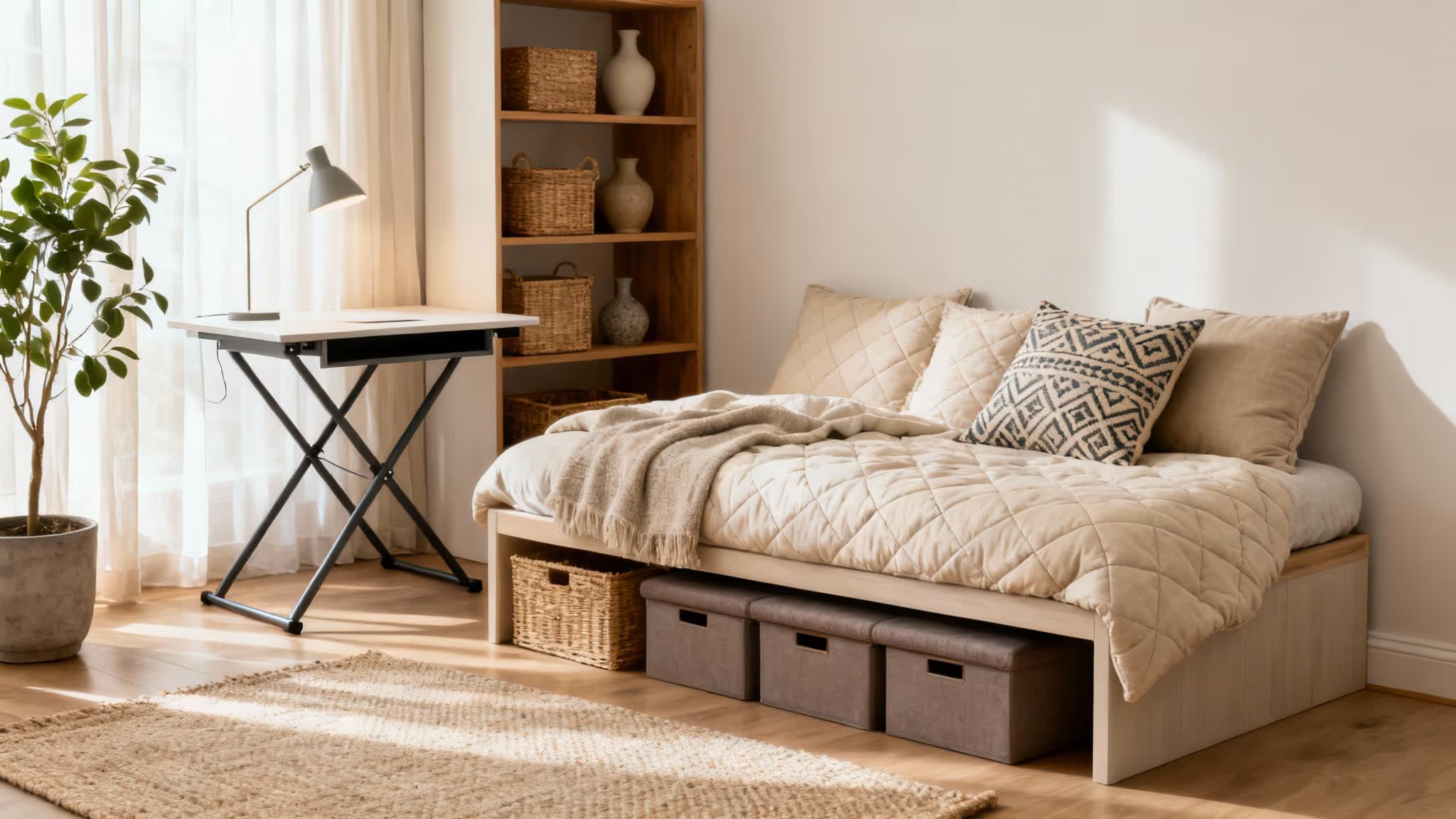
A window seat with built-in drawers is the perfect example of this. It gives you extra seating (a huge win in a small space) while secretly stashing away everything from blankets and board games to seasonal cushions. It’s a design-led solution that feels like it was always meant to be there.
Think about the space behind your sofa, too. A slim console table can hold a lamp and a few decorative bits, with room for stylish baskets underneath. Even the corner behind a door can become home to a neat little shelving unit. For more ideas, especially if you're renovating, our guide to clever storage ideas to build in while you renovate is full of inspiration.
Decorating to Add Personality Without Clutter
Once you've nailed the layout and chosen your hero furniture pieces, it's time for the fun bit: making the space feel like you. The real trick in a small living room is to layer in personality and style without creating visual clutter. It’s a delicate balance, but getting it right makes all the difference.
Styling a small space is all about curation, not collection. Every single thing you bring into the room should feel intentional, adding to the overall sense of calm and cohesion rather than just filling a gap on a shelf.
Make a Statement with Art
When it comes to what you hang on the walls, the old "less is more" advice has never been more true. While a sprawling gallery wall can look incredible in a larger room, it can easily make a compact space feel chaotic and the walls feel like they’re closing in.
Instead, go big. A single, oversized piece of art—a large canvas or a beautifully framed print—creates a powerful focal point. It draws the eye, makes the whole wall feel more expansive, and looks incredibly confident and considered. It's a simple swap that delivers a far more sophisticated punch than a jumble of smaller frames. That said, if your heart is set on a collection, check out these clever gallery wall ideas that use smart spacing and cohesive framing to keep things feeling orderly.
The goal is to create one clear point of interest that anchors the entire room. This confident choice feels deliberate and stops the space from looking fragmented—a common pitfall when styling smaller areas.
Introduce Texture and Warmth
Textiles are your secret weapon for dialling up the cosy factor without taking up an inch of floor space. They add a tactile quality that makes any room feel layered, inviting, and finished.
Think about how different materials can shift the mood. A good rug is non-negotiable; it defines your main seating area and grounds all the furniture, making the arrangement feel deliberate. And please, don't be tempted to go too small—a postage-stamp-sized rug can actually make a room feel more disjointed and poky.
Then, layer up with cushions and throws to bring in different textures and subtle hints of colour.
- Plush Cushions: Just a few well-chosen cushions in rich velvet, tactile wool, or soft linen can instantly make your sofa look more luxurious.
- Cosy Throws: A chunky knit or soft cashmere throw draped over the arm of a chair adds that final layer of comfort and effortless style.
Bring the Outdoors In with Greenery
Finally, never, ever underestimate the power of houseplants. Plants are a brilliant way to breathe life and colour into your living room, and they’re fantastic for adding a much-needed vertical element.
Taller plants, like a fiddle-leaf fig or an elegant snake plant, draw your eye upwards, creating an illusion of height that breaks up all the horizontal lines of your furniture. If floor space is at a premium, a trailing plant artfully placed on a high shelf or a small succulent on a coffee table can add that same touch of nature without demanding a big footprint. They're the perfect finishing touch, turning your well-planned space into a proper sanctuary.
Your Small Living Room Questions Answered
Even with the best-laid plans, a few tricky questions always seem to pop up when you’re pulling together a small living room. Getting straight answers to those nagging dilemmas is the key to finishing your space with confidence.
So, let’s tackle some of the most common styling puzzles people face, from choosing the right sofa to figuring out a layout that actually works.
What Is the Best Sofa for a Small Room?
The secret to a great sofa in a small space is finding one that has a compact footprint but feels light and airy. Look for designs with clean lines, slim arms, and—this is the big one—exposed legs. Lifting the sofa off the floor creates an illusion of space that chunky, floor-skimming designs just can't compete with.
A classic two-seater or a loveseat is usually a much better fit than a sprawling three-seater. You might also want to look at modular sofas; their flexibility can be a game-changer in a room where every centimetre counts.
How Should I Arrange a Long, Narrow Living Room?
Whatever you do, don't fall into the classic trap of pushing all your furniture against the walls. This creates a "bowling alley" effect that only makes the room feel longer and more awkward. Instead, the trick is to pull your main seating away from the walls to create a more intimate setup.
- Float your furniture: Position your sofa and a couple of armchairs in the centre of the room to form a cosy conversation hub.
- Define the zone with a rug: A well-placed rug will anchor your seating arrangement, visually breaking up that long, tunnel-like feeling.
- Pop a console table behind the sofa: A slim console table adds a useful surface for a lamp or books without eating into your precious floor space.
This approach cleverly interrupts the long sightline, making the room feel far more balanced. By creating distinct "zones," you give the space purpose without it feeling cluttered or stretched.
Which Colours Make a Small Living Room Look Bigger?
Light, neutral colours are your secret weapon here. Think shades like off-white, soft grey, and pale beige. They are brilliant at bouncing light around the room, which instantly creates an airy, open atmosphere and makes the walls feel like they’re further away.
But neutral doesn't have to mean boring. For a really sophisticated look, try a monochromatic scheme. Using different shades and tones of the same colour adds depth and interest without making the space feel busy. It’s a simple way to create a calm, cohesive room that feels both cosy and surprisingly spacious.